The global urea (46% N) market is undergoing a massive shift. While Nigeria has rapidly transformed from a net-importer to a major exporter of urea fertilizer, smart importers are increasingly diversifying their supply chains by also sourcing from strategic hubs like Vietnam and Colombia. Massive new plants have come online in Nigeria between 2021–2025, while Vietnam leverages its established surplus capacity, and Colombia offers critical regional access for the Americas. Together, these three nations are redefining global fertilizer supply chains.
Nigeria: Africa’s Urea Powerhouse
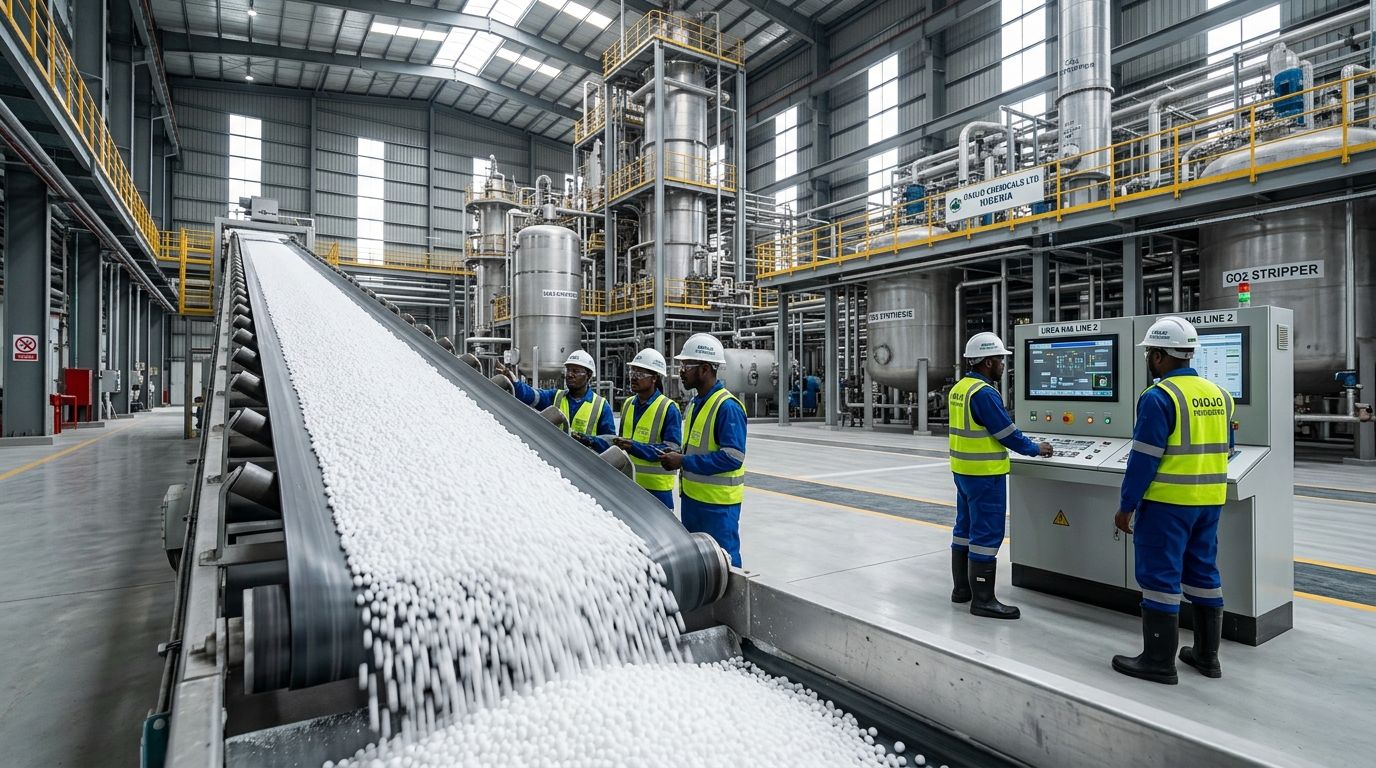
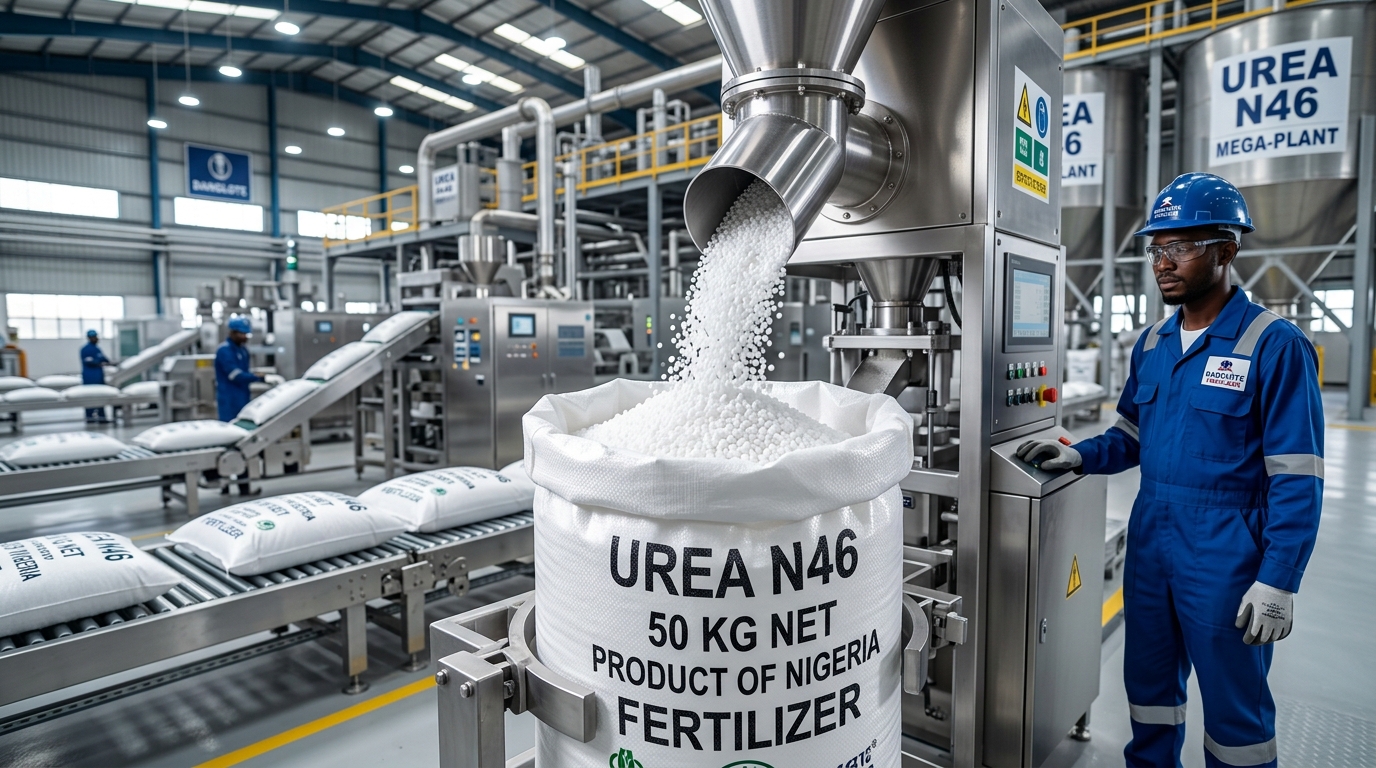
Nigeria has rapidly transformed from a net-importer to a major exporter of urea (46% N) fertilizer. Massive new plants have come online in 2021–2025, and further expansions are underway. Dangote Fertiliser Ltd’s Ibeju-Lekki complex (Lagos) is a $2.5 billion facility with 3.0 million tonnes per annum (tpa) of granular urea capacity. Indorama Eleme Fertiliser (Port Harcourt) operates one of the world’s largest single-train plants (~8,000 t/day, ≈2.8 million MT/year), and is adding a third line of 1.4 million MT/year (bringing total to ~4.2 million MT) under a recent $1.25 billion financing. Notore Chemical (Onne, near Port Harcourt) contributes roughly 0.55 million MT/year (1,500 t/day). In aggregate, Nigeria’s urea capacity now exceeds 6 million MT, making it Africa’s largest fertilizer producer. The federal Midstream & Downstream Petroleum Regulator (NMDPRA) predicts that, with these expansions, Nigeria will be a net urea exporter by around 2028. In fact, Dangote’s CEO has set a vision of ending African fertilizer imports within a few years, underscoring the country’s surplus potential.
Dangote Fertiliser Ltd (Lekki, Lagos): 3.0 million MT/year capacity (Africa’s largest granular urea plant). Since full commissioning, roughly 70–77% of its output has gone to exports.
Indorama Eleme Fertiliser (Port Harcourt): ~2.8 million MT/year currently (single 8,000 t/d line); adding 1.4 million MT under Train III to reach ~4.2 million MT. It has also invested in a new export terminal at Port Harcourt.
Notore Chemical Industries (Onne, Rivers State): ~0.55 million MT/year (1,500 t/day) from its ammonia/urea complex. Notore resumed full production in 2023 after maintenance.
Total Nigerian Urea Capacity: ≈6+ million MT/year. Nigeria’s combined new output now exceeds domestic demand, driving large exports.
Vietnam: Asia’s Reliable Surplus Supplier
Vietnam has cemented its position as a major Asian exporter, producing a urea surplus of about 1.2 million metric tons annually. Major producers like Phu My (PVFCCo) and Ca Mau (PVCFC) have driven the country's export volumes significantly higher. In 2024, the country exported nearly 1.7 million tons of fertilizers, generating approximately $719 million in revenue. Vietnamese urea, available in both prilled and granular forms, is heavily exported to neighboring markets like Cambodia, as well as to Japan and broader Southeast Asia. Recent market activity shows Vietnamese prilled urea trading competitively around $460/t FOB, making it a highly attractive option for Asian and Oceanic buyers. By tapping into Vietnam, importers can secure reliable volumes with shorter transit times to the Asia-Pacific region.
Colombia: The Strategic Hub for the Americas
Colombia has emerged as a vital strategic sourcing hub for importers in Latin America and the Caribbean. Spearheaded by major producers like Monómeros Colombo Venezolanos in Barranquilla, Colombia provides unmatched freight advantages compared to shipping from distant regions. Monómeros has recently been operating at maximum capacity to meet robust regional and domestic demand. While Colombia's absolute export volumes are smaller than Nigeria's massive bulk shipments, its geographic position makes it an indispensable supplier for nearby markets. Trade data shows Colombian urea reaching regional destinations such as Cuba and various free trade zones. For buyers in the Americas, Colombian Urea N46 minimizes ocean freight costs and drastically reduces supply chain lead times.
Surging Exports and Global Market Impact
Nigeria’s fertilizer exports have surged as domestic capacity expanded. For example, Dangote’s plant now sends most of its urea output abroad, supplying major markets like Brazil, India, the US and Mexico. Nigerian urea exports have exploded in 2025–26. In Q1 2026, Nigeria exported ₦1.37 trillion (≈US$1.29 billion) worth of fertilizer – a 60–64% jump from ~₦798 billion in Q1 2025. This made fertilizer Nigeria’s third-largest export (after crude oil and gas) for the quarter. Dangote’s figures illustrate the shift: before 2021 Nigeria imported almost all fertilizers, but by late 2025 the Dangote plant alone was exporting roughly three-quarters of its urea. Buyers scrambled for Nigerian urea after Middle East supply disruptions in 2026 – Dangote has shipped product to Brazil, India, the US, Mexico and other markets. The nation’s fertilizer trade balance turned strongly positive: a 2024 report put Nigeria 10th globally in fertilizer exports (≈$1.01 billion). Overall, Nigeria’s emergence as a reliable urea supplier has been swift, signaling a new era in the global fertilizer supply chain. When combined with the steady Asian flows from Vietnam and the targeted regional shipments from Colombia, global buyers now possess a highly diversified, risk-proof sourcing triad.
Competitive Pricing and Market Resilience
Nigerian urea is prized for its low cost. Thanks to large economies of scale and abundant (subsidized) natural gas feedstock, Nigerian producers can offer very competitive FOB prices. For example, Dangote’s urea sold at about US$327/t FOB Lekki in August 2024 – among the lowest in the market. Even as global prices climbed, Nigeria’s offers remained attractive. In late September 2025 Dangote sold October-loading cargoes at around $400–405/t FOB, below many competitors. When supply shocks hit in early 2026, prices jumped worldwide – but Dangote still managed US$655/t (April loading) and about $810/t FOB (late April dispatch). These elevated prices (driven by the Iran conflict and shipping bottlenecks) demonstrate how Nigerian urea kept pace with world markets. In normal times, Nigeria’s baseline costs (on the order of ~$300–400/t) leave room for margin or end-user savings.
Recent representative export prices:
Aug 2024: Dangote sold 30,000 t at mid-$320s/t FOB.
Sept 2025: Dangote sold 2×30,000 t parcels at $400–405/t FOB (Oct loading).
Mar 2026: Dangote sold 30,000 t at $655/t FOB Lekki for April loading.
Apr 2026: Dangote sold 30,000 t at $810/t FOB for later-April shipment.
Early 2026: Vietnamese prilled urea traded at approximately $460/t FOB.
These figures underscore a multi-origin pricing advantage: even when world prices spiked, Nigerian N46 remained competitively priced, while Vietnamese and Colombian origins provided vital freight savings and alternative supply routes for buyers across Africa, South Asia, Latin America, and the Caribbean.
Logistics and Export Readiness
Nigeria’s coastline and port infrastructure support efficient exports of bulk fertilizer. Key export hubs include the Lekki Port (Lagos) – serving Dangote’s facility – and the Onne export terminal (Rivers State) used by Notore. Indorama is also expanding a dedicated fertilizer loading terminal at Port Harcourt. Although Nigerian ports see occasional congestion, major firms plan shipments well in advance to mitigate delays. Similarly, Vietnam utilizes major deep-water ports like Ho Chi Minh City and Haiphong to efficiently dispatch bulk and bagged urea to global markets. In Colombia, the port of Barranquilla provides direct Atlantic access, allowing Monómeros and other local traders to swiftly service the Caribbean basin and South American coastlines.
Exporting urea from these regions requires compliance with national regulations. In Nigeria, according to NAFDAC export guidelines, suppliers must register products and submit necessary documentation: a Certificate of Incorporation, evidence of registration with the Nigerian Export Promotion Council (NEPC), and the Central Bank’s NXP export proceeds form. Additionally, a phytosanitary certificate (from NAQS) and a Certificate of Analysis are mandated. These procedures ensure that the urea meets international quality and safety standards. In practice, major producers in Nigeria, Vietnam, and Colombia have all requisite approvals in place; buyers work with exporters who handle these export licenses and certificates, ensuring smooth customs clearance at destination.
Global Urea (N46) – Key Production & Market Data
Nigeria:
Major Producers: Dangote Fertiliser, Indorama Eleme, Notore Chemical.
Installed Capacity: Dangote 3.0 MMT; Indorama 2.8 million MT + 1.4 million MT expansion; Notore 0.55 MMT.
Export Orientation: ~70–77% of Dangote’s output is exported; combined exports exceeded production surplus.
Key Markets: Brazil, United States, India, Mexico (and regional African markets).
Vietnam:
Major Producers: Phu My (PVFCCo), Ca Mau (PVCFC).
Surplus Capacity: ~1.2 million MT annually.
2024 Export Volume: ~1.7 million tons of fertilizers.
Key Markets: Cambodia, Japan, Southeast Asia.
Colombia:
Major Producer: Monómeros Colombo Venezolanos.
Strategy: High-capacity regional hub operating at maximum output.
Key Markets: Caribbean, Cuba, Latin American free zones.
Partner with Adalidda to Source Global Urea
Adalidda offers direct access to this booming global N46 supply. We leverage deep relationships with major producers in Nigeria (Dangote, Indorama, Notore), Vietnam (PVFCCo, PVCFC), and Colombia (Monómeros) to secure competitive urea shipments for our clients. Our logistics team coordinates loading from Lekki, Onne, Vietnamese deep-water ports, or Barranquilla, ensuring timely delivery into your supply chain. We provide both long-term contract volumes (bulk supply, e.g. 15,000+ tons/month) and spot cargoes (minimums as needed) to flexibly meet your procurement needs.
Importantly, Deko handles the technical details: we ensure the urea is properly certified and documented for export (including local phytosanitary certificates and quality analyses). Our experience exporting agro-commodities has honed our ability to manage large shipments and complex export procedures across multiple continents. We understand the global market intimately: as the expansions in Nigeria, Vietnam, and Colombia illustrate, leveraging multi-origin supply can translate into substantial savings and risk mitigation for buyers. Deko’s global network means we can efficiently arrange container or bulk shipments from West Africa, Southeast Asia, or South America to your target ports, helping you capitalize on low prices while avoiding supply disruptions.
By partnering with Adalidda, you tap directly into the rising N46 output of three dynamic global hubs. We act as an extension of your procurement team, negotiating best FOB rates and handling all regulatory compliance. Whether you need a steady monthly offtake from Nigeria, a quick regional top-up from Colombia, or Asian parity from Vietnam, Adalidda ensures a reliable, flexible supply of high-quality urea. Let us help you build a resilient fertilizer supply chain that leverages the unique advantages of these diverse production centers.
Our team is ready to discuss your urea (N46) requirements and arrange the optimal supply solution from Nigeria, Vietnam, or Colombia. With Deko’s support, you can take full advantage of the emergence of these reliable sources of fertilizer.